Honest General Contractor for Your Building Undertakings
Selecting a reliable general contractor is essential for any construction project. The right contractor brings honesty, organization, and industry knowledge. These qualities help manage common challenges that may arise. However, identifying the best fit requires thorough evaluation. Potential clients must consider key factors, from experience to communication style. Understanding these elements can make a significant difference in project outcomes. What should one focus on in the search for a dependable contractor?
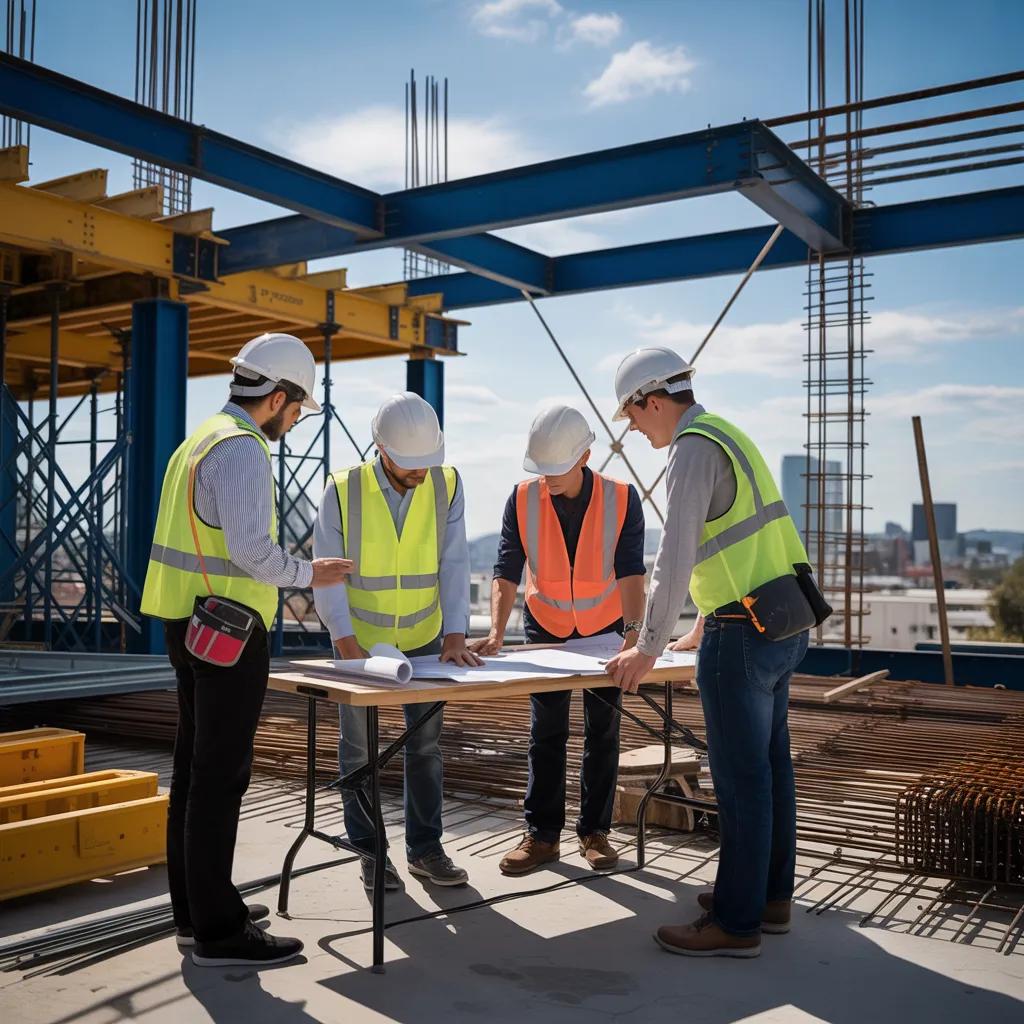
Standard Contractor Hurdles and Methods to Overcome Them
Navigating the building landscape brings numerous challenges for general contractors. One major challenge is managing project timelines, often complicated by unforeseen delays including inclement weather or supply chain disruptions. Moreover, budget overruns may arise when original estimates do not account for increasing material costs or labor shortages. Clear communication with subcontractors and clients is also important, as misunderstandings can cause costly errors and project delays.
To overcome these obstacles, general contractors can implement strong construction management systems that enhance visibility and accountability. Creating contingency plans for potential cost overruns and schedule setbacks helps mitigate risks. Frequent discussions with project partners can foster clear communication and guarantee everyone is aligned on expectations. Moreover, investing in strong relationships with suppliers can lead to improved rates and availability, in the end contributing to more efficient project delivery. By tackling these typical obstacles in advance, general contractors can enhance their dependability and success in the construction industry.
Key Attributes of a Trustworthy General Contractor
A dependable general contractor demonstrates essential qualities that ensure effective project execution. Above all, honesty is crucial; a trustworthy contractor upholds openness in pricing, timelines, and project scope. Solid organizational skills allow efficient management of assets, schedules, and subcontractors, guaranteeing that all aspects of the project run smoothly.
Furthermore, a dependable contractor demonstrates solution-oriented skills, swiftly tackling unforeseen obstacles that may occur during building. They should also possess sector expertise, staying updated on the latest building codes, materials, and technologies. Additionally, a commitment to superior workmanship is crucial; a trustworthy builder emphasizes high standards in all work performed.
To summarize, strong leadership skills foster a participatory culture between team members, subcontractors, and clients, promoting a integrated team atmosphere. These qualities collectively contribute to a contractor's skill to accomplish successful and satisfactory construction outcomes.
The Importance of Communication in Construction Projects
Effective dialogue is essential in construction projects, as it establishes clear objectives and targets for all parties involved. Regular progress updates ensure that everyone remains informed and aligned throughout the project timeline. Additionally, tackling problems quickly can stop minor delays from escalating into major problems, ultimately fostering a smoother workflow.
Explicit Expectations and Goals
Clear communication is essential in construction projects, as it establishes the groundwork for effective teamwork among all parties involved. Establishing clear expectations and goals guarantees that everyone—from contractors to clients—understands their roles and responsibilities. This clarity minimizes misunderstandings, reduces the likelihood of conflicts, and encourages accountability. When expectations are clearly outlined, project timelines and budgets can be adhered to more effectively. Furthermore, it cultivates a culture of openness, allowing for active issue resolution. Stakeholders should engage in regular discussions to align their visions
Regular Development Reports
How regularly do contractors need to provide updates on project progress? Consistent progress updates are crucial for maintaining clearness and building trust between contractors and clients. A trustworthy contractor usually provides updates weekly or bi-weekly, dependent on the project's size and complexity. These updates should include information on executed tasks, upcoming milestones, and any possible delays. By keeping clients informed, contractors can guarantee that expectations align and issues are detected early. Effective communication lowers misunderstandings and boosts collaboration, making it easier to adapt to any changes during the project. Ultimately, consistent updates keep clients engaged and reinforce the contractor's commitment to delivering a successful outcome, ensuring all parties stay coordinated through the construction process.
Addressing Issues Promptly
Communication functions as the core of thriving construction projects, especially when managing issues that occur. Quick communication between the general contractor, subcontractors, and clients is essential to decrease delays and surprising costs. When problems arise, whether due to design defects or material depletions, quick detection and resolution are imperative. A reliable contractor focuses on open conversation, ensuring that all parties are informed of changes or obstacles. This proactive approach cultivates collaboration and enhances trust, allowing for quick adjustments that keep the project on schedule. By maintaining direct lines of communication, stakeholders can efficiently navigate barriers, ultimately leading to a more streamlined construction process and higher quality outcomes. Consequently, addressing issues promptly is critical for achieving project goals.
Analyzing Your Construction Expert's Experience and Credentials
When evaluating a general contractor's qualifications and background, one might wonder what particular certifications are most reflective of their reliability and expertise. Key factors include the contractor's length of operation and the kinds of undertakings completed in the past. A established history in similar construction endeavors suggests familiarity with industry guidelines and proven methods.
Licenses and certifications are also fundamental; they validate adherence to local regulations and commitment to professional development. Additionally, scrutinizing online reviews and testimonials can afford comprehension of the contractor's reputation and customer satisfaction levels.
Asking for testimonials from prior clients is beneficial, giving potential customers the chance to gauge performance and dependability directly. Finally, professional affiliations can demonstrate a builder's commitment to maintaining excellent standards and staying updated with shifting industry practices. As a whole, these elements form a fuller picture of a contractor's capability to meet specific construction requirements.
Breaking Down Contracts: What You Need to Know
Grasping the intricacies of a building agreement is crucial for both property owners and builders, as a clearly outlined agreement can avoid confusion and disputes. Key components of a agreement include scope of work, financial conditions, and schedules. The scope of work details particular duties, resources, and responsibilities, ensuring that all stakeholders are aligned on expectations. Financial conditions should specify figures, payment timelines, and modification provisions, safeguarding from money-related conflicts. Project schedules set project duration and deadlines, providing a guide for completion.
Furthermore, contracts frequently include provisions concerning permits, inspections, and warranties, which protect both parties throughout the project. Homeowners should verify that the contract is explicit about these elements to prevent confusion later. It is recommended for both parties to review the contract thoroughly, potentially obtaining legal advice, to assure clarity and fairness. A thorough contract ultimately functions as a foundation for a successful construction project.
Guidance on Interviewing a General Contractor: Crucial Points?
Determining the ideal construction company is a vital step in securing a positive construction project. Clients should begin by asking about the contractor's track record and if they have worked on related projects. This helps evaluate the contractor's capacity to fulfill specific requirements. Inquiring about permits and protection is vital for protecting both parties during the project.
Moreover, prospective buyers should request client feedback from previous clients to evaluate the contractor reliability and workmanship. It is also significant to ask about the work schedule and how the vendor proposes to overcome interruptions. Knowing the pricing arrangement, including down payments and milestones, can illuminate financial expectations.
Finally, covering communication approaches is essential; clients should know how often they will get communications and who the main contact person will be. These questions can lead to a better comprehension of what to anticipate throughout the project.
Red Flags to Watch Out for When Employing a General Contractor
What are the ways essential information to identify potential pitfalls in hiring a general contractor? Some red flags may indicate a contractor is not reliable. Primarily, an unwillingness to provide references or a portfolio of past work can indicate a lack of experience or accountability. Contractors demanding large upfront payments without a clear agreement could be emphasizing cash flow over project integrity. Furthermore, vague or unclear contracts raise concerns about hidden costs or inferior work quality.
A service provider who avoids talking or is unreachable demonstrates a lack of professionalism. In addition, if they pressure clients into making hasty choices, it may indicate their desire to move quickly rather than guaranteeing a satisfactory outcome. Finally, watch out for builders who are without proper licensing and insurance, as this could put the homeowner at significant legal and financial jeopardy. Spotting these red flags can help ensure a positive building project.
Popular Inquiries Asked Often
What timeframe should you expect for a typical construction project to finish?
A conventional construction project can last anywhere from a few months to several years to complete, influenced by considerations such as project size, complexity, atmospheric conditions, and supply of equipment and personnel.
Which Billing Methods Do General Contractors Usually Accept?
General contractors regularly receive various payment methods, including cash, checks, credit cards, and electronic transfers. Some may also present financing programs or payment plans to meet clients' needs and confirm project affordability.
Will Contractors Offer Warranties Protecting Their Work?
Construction companies often provide guarantees on their work, typically including protection against material or workmanship defects for a specified period. This assurance helps clients remain more assured about their investment and the standard of the project.
What Actions Should I Take if I'M Dissatisfied With the Work?
In the event of dissatisfaction with the work, the individual should communicate issues directly to the contractor. Document issues, arrange a meeting, and seek a solution. If still not addressed, look into mediation or pursuing legal options for additional assistance.
Can I recruit a contractor for compact home improvement tasks?
Yes, hiring a contractor for minor remodeling work is possible. Many contractors focus on minor tasks, guaranteeing quality work. It's recommended to check credentials and reviews to find a qualified expert for the particular project.